Five Safety Checks Before a 100-Tonne Crane Lift | Johnson Arabia
Contact Johnson Arabia for a lifting plan
Lifting 100 tonnes is never a routine job. Whether it is a precast structure, industrial equipment, heavy machinery, or project cargo, every lift requires careful planning, the right equipment, and a skilled team on site. In selecting cranes for heavy lifting, success is not just about crane capacity. It is about preparation, safety, ground conditions, communication, and execution.
For companies looking for a crane Dubai solution or planning to rent cranes for heavy lifts across the region, here are five essential checks that must be completed before lifting 100 tonnes.
- Check the Lift Plan
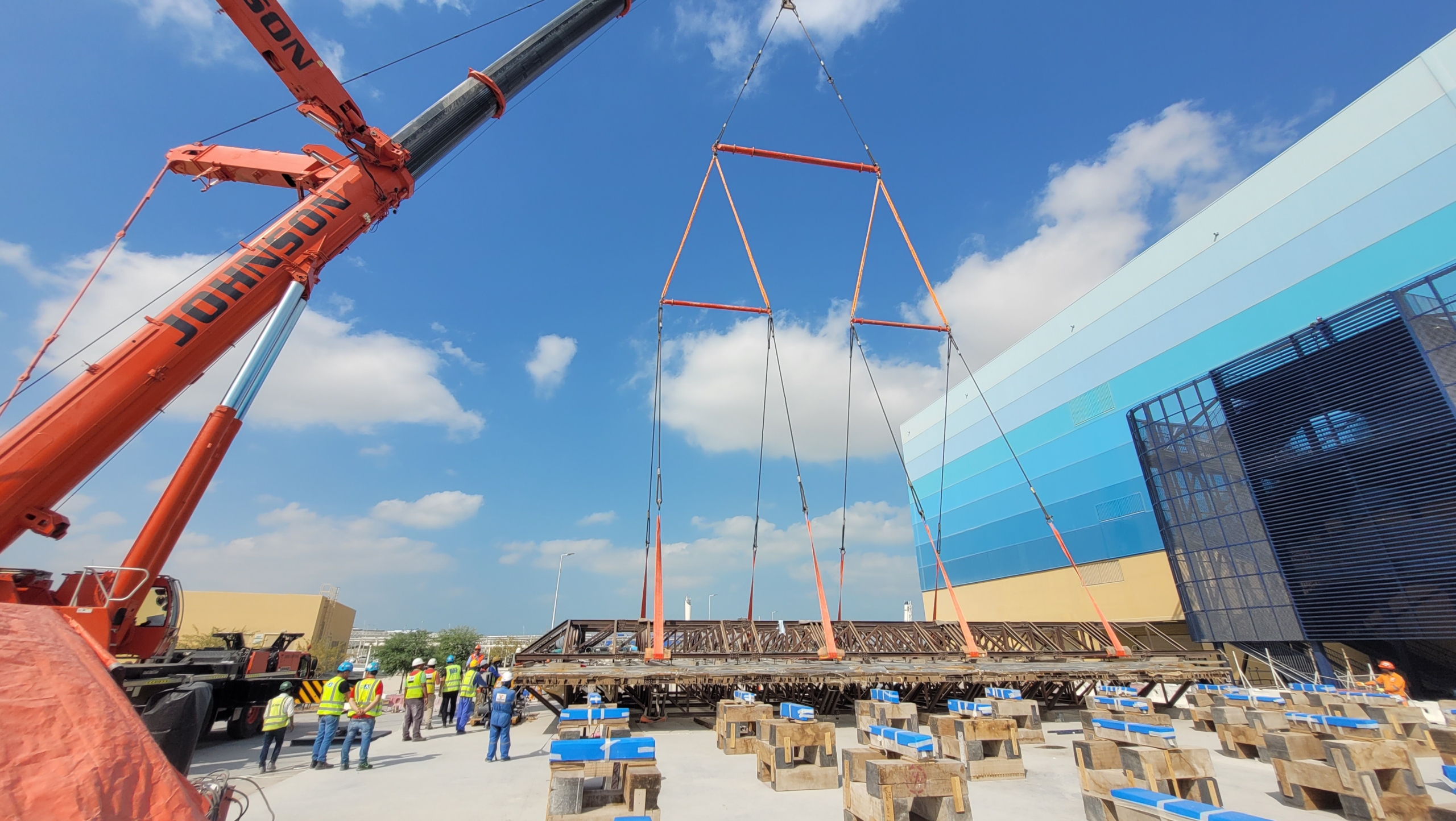
Before any heavy lift takes place, a detailed heavy lifting crane plan must be prepared and reviewed. This includes the weight of the load, lifting radius, crane configuration, boom length, counterweight, rigging method, and the final placement area.
A proper heavy lifting crane plan helps ensure the selected Dubai crane is suitable for the job and that every stage of the operation is clearly understood by the team. For complex lifts, engineering calculations and site-specific risk assessments are essential.
- Check the Ground Conditions
A crane is only as stable as the ground beneath it. Before lifting 100 tonnes, the ground must be inspected to confirm it can support the heavy lift crane and operational forces.
Soft ground, underground services, slopes, or uneven surfaces can create serious risks. Proper ground preparation, checks, and outrigger mat placement are critical before the heavy lifting crane is set up.
- Check the Crane Capacity
The heavy lift crane must be selected based on more than just the load weight. The lifting radius, boom angle, site access, height requirements, and working area all affect crane capacity.
Whether the project requires a mobile crane, crawler crane, or specialised heavy lifting cranes, choosing the correct heavy lifting crane is key. Businesses looking to rent heavy lifting crane services should always work with a provider like us, that offers technical support, lift planning, and certified operators.
- Check the Rigging Equipment
Rigging equipment plays a major role in the safety of any heavy lifting crane. Slings, shackles, hooks, and other accessories must be inspected before use.
Every component should be certified, suitable for the load, and free from visible damage. The rigging method must also ensure the load remains balanced and controlled throughout the lift.
- Check the Communication on Site
Clear communication can prevent costly mistakes. Before the heavy lifting begins, the team should conduct a briefing and confirm everyone understands their role.
The crane operator, signalman, rigger, lift supervisor, and site team must follow clear communication system. This is especially important on busy construction sites, industrial areas, or large-scale projects where visibility for the heavy lifting crane may be limited.
From UAE construction projects to major industrial developments in Saudi Arabia, heavy lifting crane handling requires experience, precision, and the right equipment. A 100-tonne plus lift is not just about moving weight. It is about moving it safely, efficiently, and with complete control from start to finish.